

Enhancing Accessibility in Industrial Environments: The Critical Role of Lifts
Release time:
2026-08-07
Enhancing Accessibility in Industrial Environments: The Critical Role of Lifts Table of Contents 1. Introduction to Industrial Accessibility and Lifts 2. Types of Lifts Used in Industry - 2.1 Hydraulic Lifts - 2.2 Electric Lifts - 2.3 Freight Lifts 3. Importance of Lifts in Industrial Settings - 3.1 Enhancing Safety - 3.2 Improving Efficiency - 3.3 Boosting Productivity 4. Factor
Enhancing Accessibility in Industrial Environments: The Critical Role of Lifts
Table of Contents
1. Introduction to Industrial Accessibility and Lifts
2. Types of Lifts Used in Industry
- 2.1 Hydraulic Lifts
- 2.2 Electric Lifts
- 2.3 Freight Lifts
3. Importance of Lifts in Industrial Settings
- 3.1 Enhancing Safety
- 3.2 Improving Efficiency
- 3.3 Boosting Productivity
4. Factors to Consider When Choosing Industrial Lifts
- 4.1 Load Capacity and Size
- 4.2 Safety Features
- 4.3 Maintenance and Durability
5. Case Studies: Successful Implementation of Lifts in Industry
6. The Future of Lifts in Industrial Spaces
7. Frequently Asked Questions
8. Conclusion
Introduction to Industrial Accessibility and Lifts
In today's evolving industrial landscape, accessibility is more vital than ever. Ensuring that materials, personnel, and equipment can move freely and safely throughout a facility is essential for operational success. **Lifts** play a significant role in enhancing this accessibility. They are not just tools for transporting goods; they are integral components that enhance safety, productivity, and overall efficiency in industrial environments.
Types of Lifts Used in Industry
Understanding the different types of lifts available is crucial for selecting the right system for specific industrial needs. Here, we explore some common types of lifts utilized in various industrial settings.
Hydraulic Lifts
**Hydraulic lifts** use fluid pressure to lift heavy loads, making them ideal for industrial applications that require lifting heavy machinery or materials. Their efficiency and power make them suitable for both low and high-rise settings. They are often used in warehouses, manufacturing plants, and distribution centers.
Electric Lifts
**Electric lifts** are powered by electric motors and are commonly found in environments that require rapid and precise movement. They often feature advanced controls that enhance user convenience and safety. These lifts are prevalent in manufacturing facilities where speed and efficiency are paramount.
Freight Lifts
**Freight lifts** are designed specifically for transporting goods and materials rather than passengers. They can accommodate large and heavy items, making them ideal for factories and warehouses. These lifts often feature robust designs to handle the wear and tear of industrial use.
Importance of Lifts in Industrial Settings
Lifts are vital in industrial settings for several reasons. They improve safety, enhance efficiency, and contribute significantly to productivity. Let’s explore these benefits in detail.
Enhancing Safety
**Safety** is a paramount concern in any industrial environment. Lifts help mitigate the risks associated with manual handling of heavy loads, reducing the likelihood of injuries and accidents. By employing lifts, companies can ensure that their workforce operates in a safer environment, adhering to occupational safety standards and regulations.
Improving Efficiency
In industrial settings, efficiency is key to maintaining productivity levels. Lifts streamline the process of moving materials and goods within a facility, cutting down on time spent transporting items. This efficiency allows employees to focus on other tasks, ultimately leading to smoother operations.
Boosting Productivity
The introduction of lifts in industrial operations can lead to significant productivity gains. By facilitating faster movement of materials, lifts enable businesses to meet increasing demands without compromising quality. This boost in productivity often translates to enhanced profitability and competitive advantage in the market.
Factors to Consider When Choosing Industrial Lifts
Selecting the right lift system for an industrial environment involves careful consideration of various factors. Here are essential elements to keep in mind.
Load Capacity and Size
Understanding **load capacity** is critical when choosing a lift. Assess the maximum weight the lift will need to transport and ensure the selected lift can handle this load without strain. Additionally, consider the **size** of the lift, as it must fit comfortably within your facility while accommodating the necessary materials and equipment.
Safety Features
Safety features should be a priority when selecting industrial lifts. Look for lifts that include safety mechanisms such as emergency stop buttons, alarms, and safety gates. Regular maintenance checks are also vital to ensure these features function correctly.
Maintenance and Durability
A reliable lift should require minimal maintenance while being robust enough to withstand the rigors of industrial use. Consider the manufacturer’s recommendations for maintenance and the expected lifespan of the lift. Durable materials and construction can lead to long-term savings by reducing replacement costs.
Case Studies: Successful Implementation of Lifts in Industry
To better understand the impact of lifts in industrial environments, we can look at a few case studies where their implementation has led to remarkable improvements.
Case Study 1: Manufacturing Plant Upgrade
A large manufacturing plant implemented hydraulic lifts to move heavy components between production lines. This change reduced manual handling, leading to a 25% decrease in workplace injuries and a 15% increase in overall production efficiency.
Case Study 2: Warehouse Operations
A distribution center installed electric lifts to expedite the loading and unloading process. The introduction of these lifts enabled the facility to increase its throughput by 30%, allowing for better inventory management and faster delivery times.
The Future of Lifts in Industrial Spaces
As technology continues to evolve, so do lifts. The future of lifts in industrial environments is likely to be characterized by **smart technology**, enhanced safety features, and sustainability. Innovations such as IoT connectivity will enable lifts to communicate with other systems, further improving operational efficiency and safety.
Frequently Asked Questions
1. What types of industries benefit the most from lifts?
Many industries, including manufacturing, warehousing, and construction, benefit significantly from the implementation of lifts.
2. How do I know what type of lift I need?
Assess your specific needs, including load capacity, frequency of use, and the types of materials you will transport. Consulting with an expert can help guide your decision.
3. Are lifts safe for transporting heavy loads?
Yes, when operated within their load capacity and with appropriate safety features in place, lifts are designed to transport heavy loads safely.
4. Can lifts help reduce operational costs?
Absolutely, by increasing efficiency and reducing the risk of workplace injuries, lifts can lead to lower operational costs over time.
5. What maintenance is required for industrial lifts?
Regular inspections, lubrication of moving parts, and checks of safety features are critical for maintaining lift functionality and safety.
Conclusion
Lifts are indispensable components in enhancing accessibility within industrial environments. They contribute to improved safety, efficiency, and productivity, making them vital to modern industrial operations. As technology continues to advance, the role of lifts will evolve, paving the way for smarter, safer, and more efficient industrial spaces. By investing in the right lift systems, businesses can not only enhance their operational capabilities but also ensure a safer working environment for their employees.
Related News
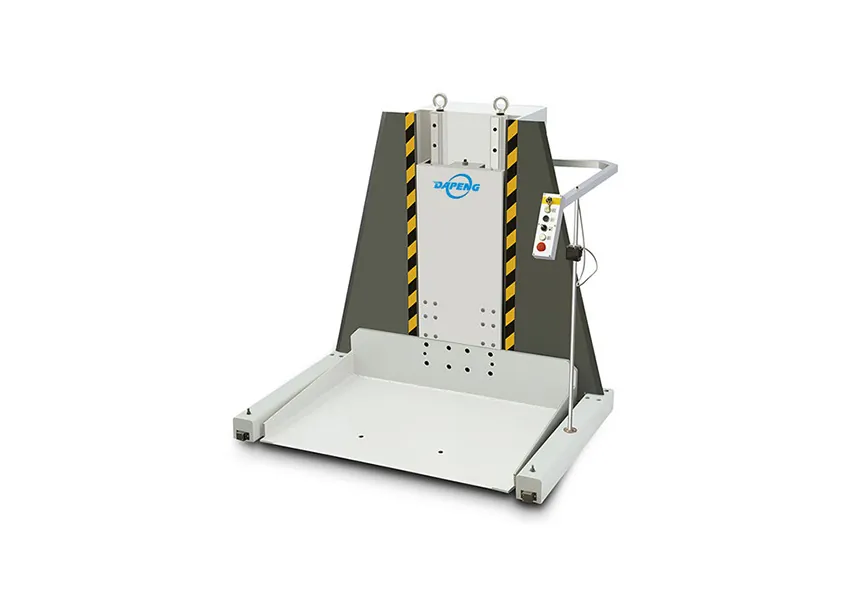
Guide to Selecting the Best Hydraulic Lifts for Your Business: A Comprehensive Insight
2026-09-06
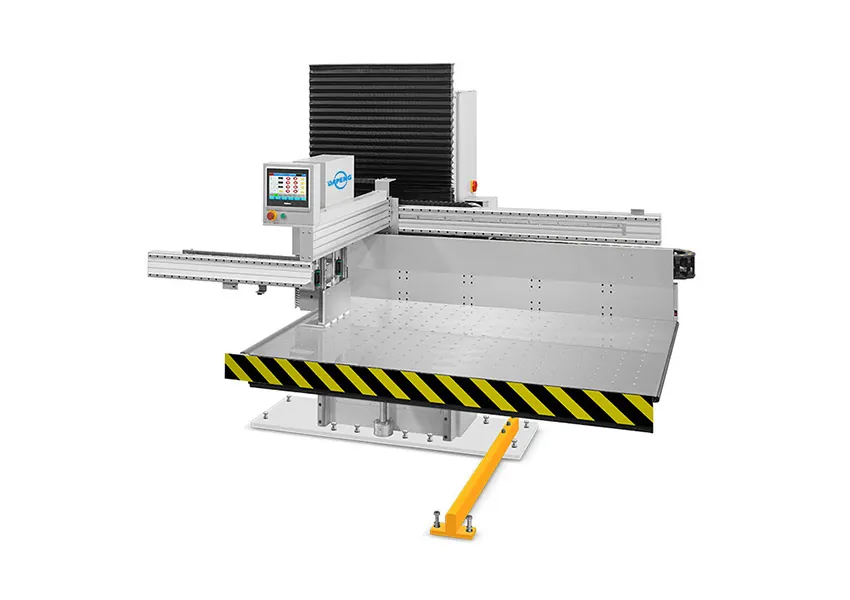
Maximizing Efficiency with Paper Unloader Machines in the Office Equipment Industry
2026-09-03
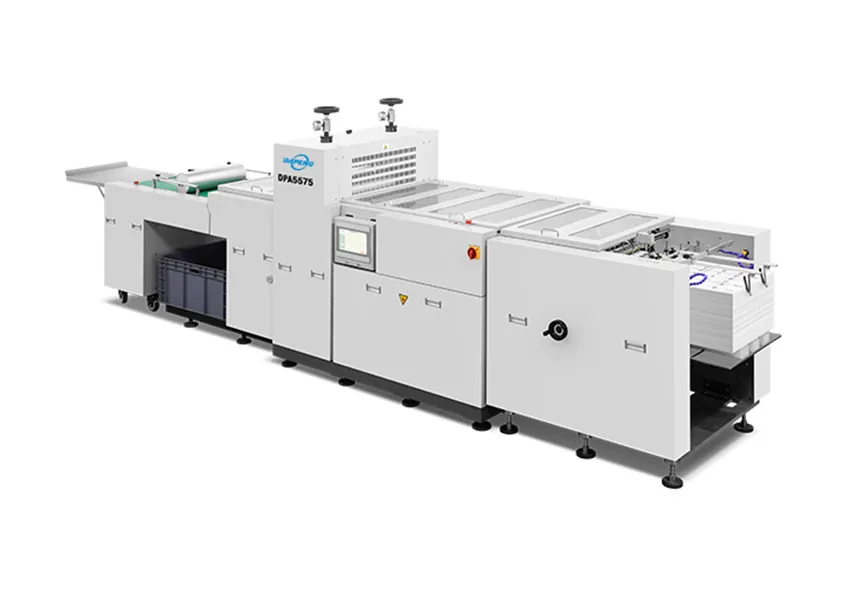
Advantages of Rotary Die Cutting Machines Over Other Methods: A Comprehensive Guide
2026-08-31
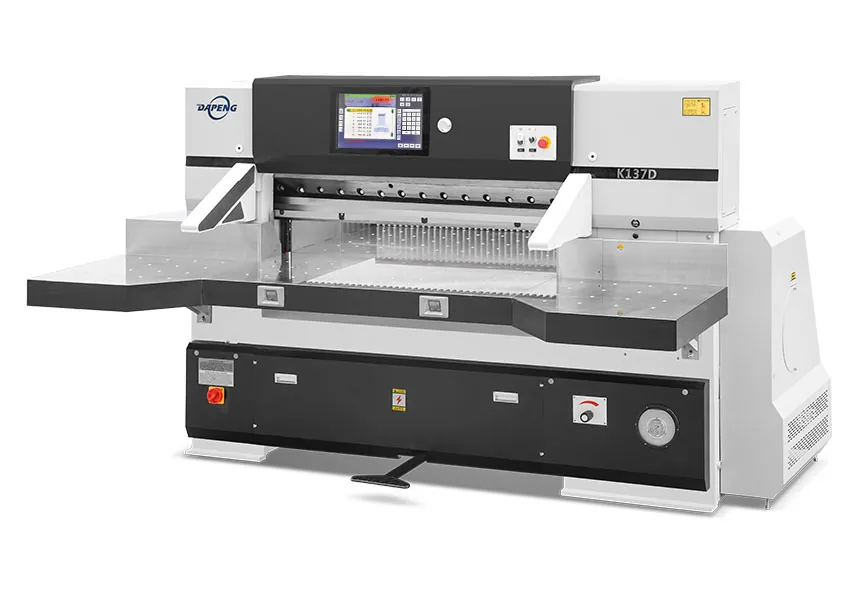
Understanding Paper Cutting Machines: Innovations and Applications in the Manufacturing Industry
2026-08-28
Choosing Between Manual and Automatic Paper Loader Machines: Pros and Cons for Optimal Efficiency
2026-08-25
Understanding Lifts in Hydraulic Machinery: Key Insights for Industrial Applications
2026-08-22