

Guide to Selecting the Best Hydraulic Lifts for Your Business: A Comprehensive Insight
Release time:
2026-09-06
Guide to Selecting the Best Hydraulic Lifts for Your Business When it comes to enhancing productivity and safety in industrial environments, hydraulic lifts play a critical role. Selecting the best hydraulic lift for your business can significantly influence operational efficiency and employee safety. In this comprehensive guide, we will explore the various types of hydraulic lifts, their applicat
Guide to Selecting the Best Hydraulic Lifts for Your Business
When it comes to enhancing productivity and safety in industrial environments, hydraulic lifts play a critical role. Selecting the best hydraulic lift for your business can significantly influence operational efficiency and employee safety. In this comprehensive guide, we will explore the various types of hydraulic lifts, their applications, essential features, and key factors to consider while making your decision.
Understanding Hydraulic Lifts: What You Need to Know
Hydraulic lifts are mechanized devices that utilize hydraulic power to lift heavy loads. They are commonly used in warehouses, factories, and various industrial settings to move materials from one level to another. Understanding the fundamental concepts behind hydraulic lifts is crucial for making an informed purchasing decision.
How Hydraulic Lifts Work
Hydraulic systems operate on the principle of Pascal’s law, which states that pressure applied to a confined fluid is transmitted undiminished throughout the fluid. A hydraulic lift consists of a hydraulic cylinder, a pump, and a control valve. When the pump pushes hydraulic fluid into the cylinder, it creates pressure, causing the lift platform to ascend. This mechanism allows for the safe and efficient lifting of heavy items.
Types of Hydraulic Lifts Available
Different businesses have unique requirements, which is why various types of hydraulic lifts are available. Below are some commonly used hydraulic lifts:
- Scissor Lifts: Ideal for working at height, scissor lifts provide stability and versatility, making them perfect for construction sites and maintenance tasks.
- Forklifts: A vital component of material handling, forklifts can lift and move pallets and heavy loads with ease.
- Table Lifts: Often used in assembly lines, table lifts are designed to bring materials to an ergonomic height for workers.
- Vehicle Lifts: Essential for automotive repair shops, vehicle lifts allow mechanics to easily access the undercarriage of vehicles.
- Articulating Lifts: These lifts can maneuver over obstacles, making them suitable for complex tasks in tight spaces.
Key Features to Consider When Selecting Hydraulic Lifts
When selecting the best hydraulic lift for your business, several features should be taken into account. Understanding these features can help you make the right choice based on your specific needs.
Load Capacity
One of the most critical factors to consider is the load capacity of the hydraulic lift. Determine the maximum weight you expect to lift and choose a model that comfortably exceeds this weight. This ensures safety and reliability during operations.
Lift Height
The lift height is another essential feature. Assess the vertical height requirements for your operations, and select a lift that can reach those heights with ease. Remember that some tasks may require additional height for optimal efficiency.
Platform Size
The size of the lift platform is crucial for accommodating various loads. A larger platform can handle bigger items or multiple loads simultaneously, which can improve overall productivity.
Power Source
Hydraulic lifts can be powered in different ways, including electric, gas, and manual systems. Evaluate your operational environment and choose a power source that aligns with your business needs and safety regulations.
Safety Features
Safety should never be compromised. Look for hydraulic lifts equipped with essential safety features, such as emergency stop buttons, overload protection, and non-slip surfaces. These features can significantly reduce the risk of accidents in the workplace.
Evaluating Your Business Needs
Before making a purchase, it's crucial to evaluate your business needs. Consider the following questions:
What is the Primary Use of the Hydraulic Lift?
Understanding the primary application of the hydraulic lift can help you narrow down your options. Are you using it for lifting materials, vehicles, or for maintenance tasks? This will guide your selection process.
Frequency of Use
Assess how often you will use the hydraulic lift. For high-frequency use, investing in a more robust and durable model may be wise, while occasional use might allow for a simpler design.
Environment
The working environment can impact the type of hydraulic lift you choose. Indoor environments may have different requirements compared to outdoor settings, such as weather resistance and stability on uneven surfaces.
The Cost Factor: Budgeting for Hydraulic Lifts
Understanding your budget is essential when selecting hydraulic lifts. Prices can vary significantly based on features, brand, and specifications. Here are some budgeting tips:
Initial Purchasing Costs
Calculate the upfront costs associated with the hydraulic lift, including any necessary accessories or installation fees. Compare different models to find the best value for your investment.
Long-term Costs
Consider long-term costs such as maintenance, repairs, and energy consumption. A higher-quality hydraulic lift may have a higher upfront cost but could save you money in the long run through lower maintenance and operational expenses.
Top Manufacturers of Hydraulic Lifts
Choosing a reputable manufacturer is as important as selecting the right model. Here are some of the top manufacturers known for their high-quality hydraulic lifts:
- Genie: Renowned for innovative lifting solutions, Genie offers a wide range of hydraulic lifts ideal for various applications.
- JLG: Specializing in aerial work platforms, JLG is known for user-friendly designs and robust performance.
- Skyjack: Known for their reliability, Skyjack hydraulic lifts are favored in both construction and industrial settings.
- Hyster: A leader in material handling, Hyster’s hydraulic lifts are engineered for heavy-duty performance and durability.
Maintenance and Care for Hydraulic Lifts
Proper maintenance is crucial to ensure the longevity and efficient operation of hydraulic lifts. Regular maintenance can prevent costly breakdowns and extend the lifespan of your equipment.
Routine Inspections
Conduct regular inspections to check for leaks, wear and tear, and overall functionality. Addressing issues early can prevent more significant problems down the line.
Hydraulic Fluid Checks
Ensure that the hydraulic fluid levels are adequate and that the fluid is clean. Contaminated fluid can affect the performance and safety of the hydraulic lift.
Scheduling Professional Maintenance
Consider scheduling professional maintenance at least once a year. Trained technicians can perform comprehensive checks and address any technical issues that may arise.
FAQs About Hydraulic Lifts
1. What is the average lifespan of a hydraulic lift?
The average lifespan of a hydraulic lift can vary based on usage, maintenance, and quality but typically ranges from 10 to 25 years.
2. Can hydraulic lifts be used outdoors?
Yes, many hydraulic lifts are designed for outdoor use, but it is essential to select models that are weather-resistant and stable on uneven surfaces.
3. What safety certifications should I look for in a hydraulic lift?
Look for lifts that meet safety standards set by organizations like ANSI (American National Standards Institute) or OSHA (Occupational Safety and Health Administration).
4. How do I determine the right lift capacity for my needs?
Calculate the maximum weight you plan to lift, including any additional factors such as the weight of attachments or additional items that may be loaded onto the lift.
5. Is financing available for purchasing hydraulic lifts?
Many manufacturers and dealers offer financing options to help businesses manage the costs associated with purchasing hydraulic lifts.
Conclusion
Selecting the best hydraulic lift for your business is a crucial decision that can impact operations, safety, and productivity. By understanding the different types of hydraulic lifts, their features, and your specific requirements, you can make an informed choice that aligns with your operational goals. Whether you are upgrading existing equipment or investing in new technology, our guide serves to ensure you navigate the complexities of hydraulic lift selection with confidence. Prioritize safety, efficiency, and durability as you enhance your industrial operations with the right hydraulic lift.
Related News
Maximizing Efficiency with Paper Unloader Machines in the Office Equipment Industry
2026-09-03
Advantages of Rotary Die Cutting Machines Over Other Methods: A Comprehensive Guide
2026-08-31
Understanding Paper Cutting Machines: Innovations and Applications in the Manufacturing Industry
2026-08-28
Choosing Between Manual and Automatic Paper Loader Machines: Pros and Cons for Optimal Efficiency
2026-08-25
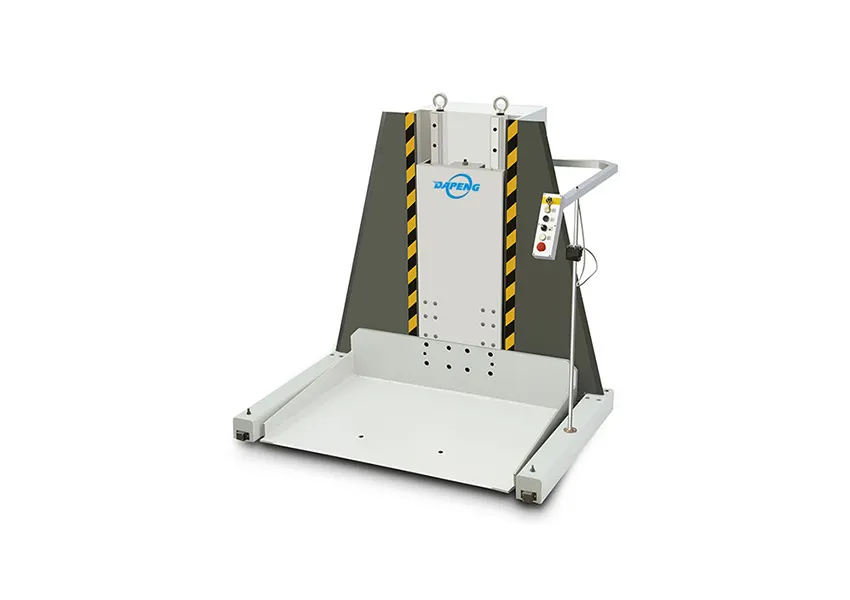
Understanding Lifts in Hydraulic Machinery: Key Insights for Industrial Applications
2026-08-22
How to Maintain Your Paper Unloader Machine for Longevity
2026-08-19