

Understanding Lifts in Hydraulic Machinery: Key Insights for Industrial Applications
Release time:
2026-08-22
Lifts, integral to hydraulic machinery, play a vital role in various industrial applications. Understanding their features and functions can significantly enhance operational efficiency and safety in workplaces that rely on hydraulic systems. Lifts, in the hydraulic context, refer to systems designed to elevate, lower, or position heavy loads with precision. They are commonly employed in warehous
Lifts, in the hydraulic context, refer to systems designed to elevate, lower, or position heavy loads with precision. They are commonly employed in warehouses, manufacturing facilities, and construction sites where heavy lifting is a routine task. The operation of these lifts typically involves hydraulic fluids, which transmit force to create movement. This mechanism allows for smoother and safer lifting compared to mechanical systems.
One of the key advantages of hydraulic lifts is their ability to handle substantial loads with minimal effort. The hydraulic system operates on the principle of Pascal’s law, which states that pressure applied to a confined fluid is transmitted uniformly in all directions. This principle allows hydraulic lifts to lift heavy equipment or materials with ease, making them essential for industrial operations.
Maintenance is crucial to ensure the longevity and efficiency of hydraulic lifts. Regular inspections can help identify leaks or wear in hoses and seals, which are common points of failure in hydraulic systems. Additionally, maintaining the hydraulic fluid at optimal levels is essential for effective operation. If the fluid is contaminated or low, it can lead to decreased performance and potential damage to the lift.
Safety is another critical aspect associated with the use of lifts in hydraulic machinery. Ensuring that operators are adequately trained to use these systems is paramount. Operators should be familiar with the lift's load capacity, operational procedures, and emergency protocols. Implementing safety measures, such as overload protection and emergency stop buttons, can further mitigate risks associated with lift operation.
Incorporating modern technology into hydraulic lifts can enhance their functionality. For example, integrating sensors and monitoring systems can provide real-time data on lift performance, helping operators make informed decisions. These advancements not only improve efficiency but also ensure safer working conditions.
In summary, lifts are essential components of hydraulic machinery that facilitate the handling of heavy loads in various industrial settings. Understanding their operation, maintenance, and safety considerations is crucial for maximizing their effectiveness. By investing in reliable hydraulic lifts and ensuring proper training and maintenance, businesses can enhance their operational capabilities while prioritizing safety in the workplace.
Related News
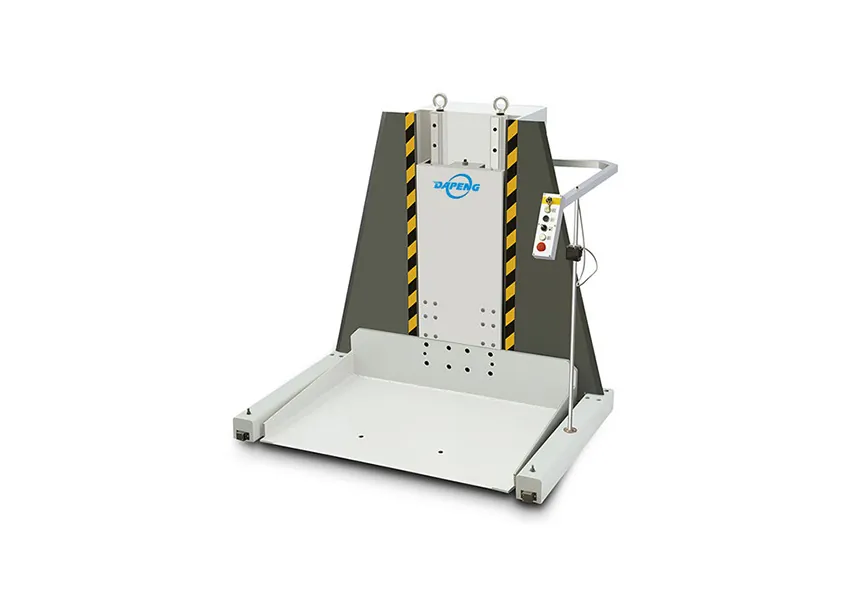
Guide to Selecting the Best Hydraulic Lifts for Your Business: A Comprehensive Insight
2026-09-06
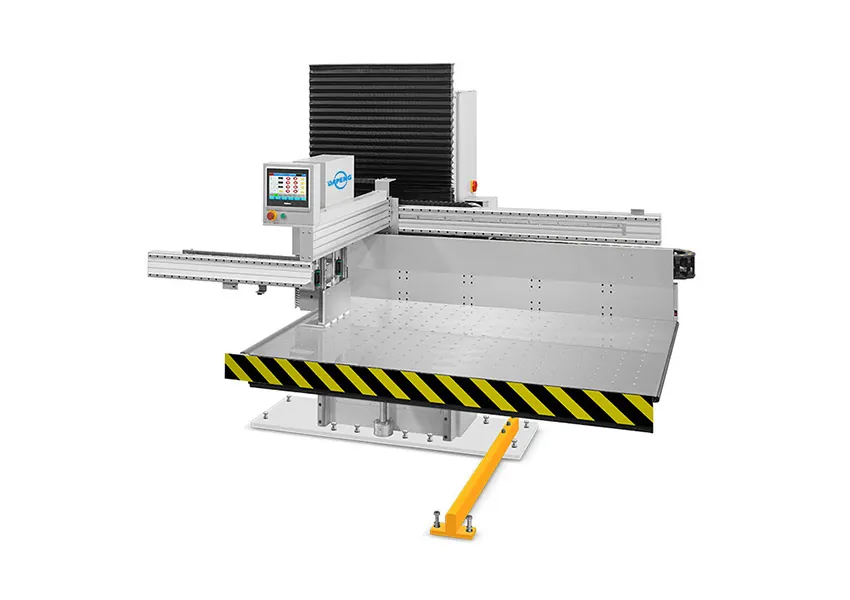
Maximizing Efficiency with Paper Unloader Machines in the Office Equipment Industry
2026-09-03
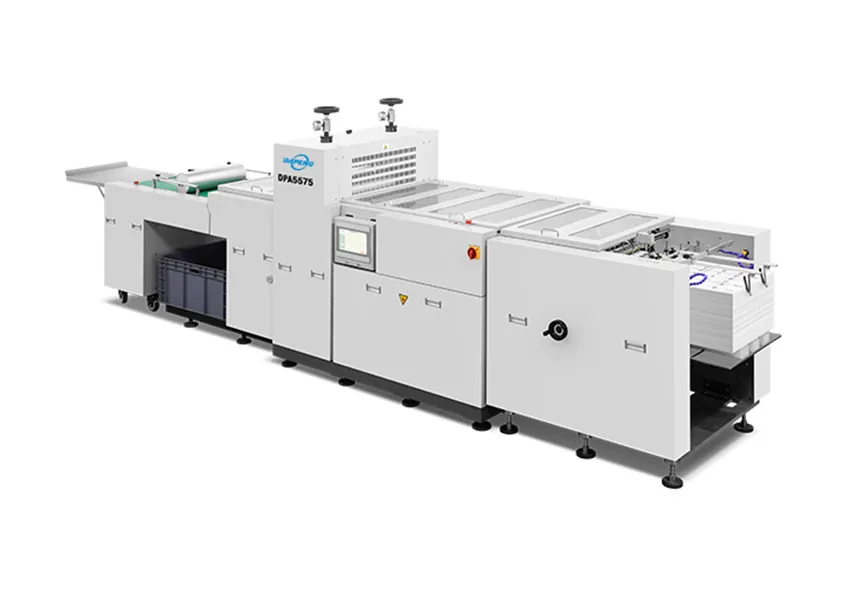
Advantages of Rotary Die Cutting Machines Over Other Methods: A Comprehensive Guide
2026-08-31
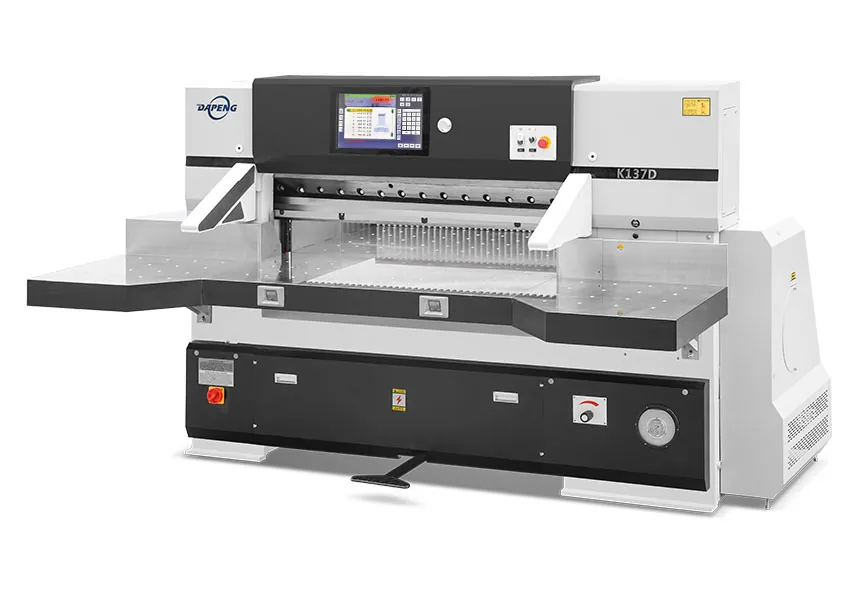
Understanding Paper Cutting Machines: Innovations and Applications in the Manufacturing Industry
2026-08-28
Choosing Between Manual and Automatic Paper Loader Machines: Pros and Cons for Optimal Efficiency
2026-08-25
How to Maintain Your Paper Unloader Machine for Longevity
2026-08-19