

The Role of Lifts in Increasing Productivity in Manufacturing
Release time:
2026-06-07
The Role of Lifts in Increasing Productivity in Manufacturing Table of Contents Introduction Importance of Lifts in Manufacturing Types of Lifts Used in Manufacturing Forklifts Elevators Scissor Lifts Pallet Jacks Enhancing Productivity Through Lifts Safety Considerations in Using Lifts Choosing the Right Lift for Your Operations Case Studies: Lifts
The Role of Lifts in Increasing Productivity in Manufacturing
Table of Contents
- Introduction
- Importance of Lifts in Manufacturing
- Types of Lifts Used in Manufacturing
- Enhancing Productivity Through Lifts
- Safety Considerations in Using Lifts
- Choosing the Right Lift for Your Operations
- Case Studies: Lifts Improving Manufacturing Productivity
- Future of Lifts in Manufacturing
- Conclusion
- FAQs
Introduction
The manufacturing sector is a cornerstone of the global economy, responsible for producing goods that meet the needs of consumers and businesses alike. As competition intensifies and the demand for efficiency rises, manufacturers continuously seek innovative solutions to enhance their operations. One such solution is the integration of **lifts** into their processes. Lifts are not merely tools for moving materials; they are essential systems that can significantly improve productivity, streamline operations, and ensure a safer working environment.
In this article, we will delve into how lifts contribute to productivity in manufacturing, exploring various types of lifts, their advantages, safety considerations, and the future of lift technology in the industry.
Importance of Lifts in Manufacturing
Lifts play a crucial role in manufacturing settings by facilitating the **efficient movement of materials**. They enable the transportation of heavy loads across different levels of a facility, minimizing the need for manual lifting. This functionality not only speeds up processes but also reduces the risk of injuries associated with manual handling.
Moreover, lifts contribute to better space utilization within manufacturing plants. With vertical transportation capabilities, manufacturers can maximize their floor space, allowing for increased storage and operational efficiency. By vertically stacking inventory instead of spreading it out over a larger area, manufacturers can enhance workflow and reduce the time spent retrieving materials.
Additionally, the integration of lifts into manufacturing processes promotes **ergonomics**. By reducing the physical strain on workers, lifts help maintain a healthier workforce, which is essential for long-term productivity.
Types of Lifts Used in Manufacturing
Different manufacturing environments require various lift systems tailored to specific needs. Here, we discuss the most common types of lifts utilized in the manufacturing sector.
Forklifts
Forklifts are perhaps the most recognized type of lift in manufacturing. These versatile machines are designed for lifting and transporting heavy materials over short distances. Forklifts can easily maneuver within tight spaces, making them ideal for warehouses and manufacturing floors. Equipped with adjustable forks, they can handle different types of loads, from pallets to large machinery components.
Elevators
Industrial elevators are specially designed to transport both goods and personnel between different levels of a facility. Unlike traditional elevators, industrial models are robust, capable of handling heavy loads. They ensure that items are moved safely and efficiently, contributing to streamlined operations and enhanced productivity.
Scissor Lifts
Scissor lifts are engineered for elevating workers and materials to significant heights. These lifts have a crisscrossing mechanism that allows for vertical movement, making them ideal for tasks that require working at height, such as maintenance and assembly. Scissor lifts enhance productivity by allowing workers to access high areas without the need for scaffolding or ladders.
Pallet Jacks
Pallet jacks are a flexible and essential tool in manufacturing, designed for moving palletized loads. They come in manual and electric versions, making them suitable for various levels of operational intensity. While they may not lift loads to great heights, they enable quick and efficient horizontal movement, crucial for maintaining workflow efficiency.
Enhancing Productivity Through Lifts
The integration of lifts into manufacturing processes leads to substantial productivity improvements. Here are some key ways in which lifts enhance operational efficiency:
1. **Reduced Cycle Times**: Lifts significantly decrease the time it takes to transport materials between different areas of a facility. As a result, production cycles become shorter, allowing for increased output.
2. **Minimized Downtime**: With efficient lift systems, downtime associated with material handling is reduced. Workers can quickly access needed materials, ensuring that production lines remain operational without delays.
3. **Improved Inventory Management**: Lifts aid in the organized movement of inventory, facilitating better stock management. With effective lifts, manufacturers can implement just-in-time inventory systems, reducing the need for excessive storage space.
4. **Enhanced Ergonomics**: By minimizing manual lifting and carrying tasks, lifts contribute to a safer work environment. This focus on ergonomics reduces worker fatigue and injuries, leading to a more productive workforce.
5. **Streamlined Workflow**: With the ability to move heavy items effortlessly, lifts help maintain a fluid workflow. This ability ensures that materials are always available when needed, optimizing production schedules.
Safety Considerations in Using Lifts
Safety is paramount in any manufacturing environment. While lifts provide numerous benefits, their usage must be governed by strict safety protocols to prevent accidents and injuries. Key safety considerations include:
1. **Regular Maintenance**: Routine checks and maintenance of lift systems are essential for ensuring they operate safely. Any faults or wear should be promptly addressed to prevent malfunctions.
2. **Training**: Operators must receive adequate training on how to use lifts safely. Understanding load limits, proper maneuvering techniques, and emergency procedures are vital to minimizing risks.
3. **Load Management**: Operators must adhere to the specified load limits of each lift type. Overloading can lead to accidents and equipment damage, compromising safety.
4. **Personal Protective Equipment (PPE)**: Workers should always wear appropriate PPE when operating lifts. Helmets, gloves, and safety shoes help mitigate injury risks in the event of an accident.
5. **Clear Communication**: Establishing clear communication protocols among workers is essential, especially in busy manufacturing environments. Signals or radios can help ensure that everyone is aware of lift activity, reducing the chance of collisions or accidents.
Choosing the Right Lift for Your Operations
Selecting the appropriate lift for a manufacturing operation requires careful consideration of various factors. Here are some guidelines to help in making the right choice:
1. **Assess Load Requirements**: Determine the types of loads that will be lifted, including their weight and dimensions. This assessment helps in selecting a lift that can handle the specific requirements.
2. **Evaluate Space Constraints**: Consider the available space within the facility. Some lifts, like scissor lifts, may require more room to operate than others. Understanding spatial limitations is crucial for efficient lift operation.
3. **Consider Frequency of Use**: The frequency with which the lift will be used can influence the selection. High-use environments may benefit from electric lifts, while less frequent tasks may be adequately served by manual options.
4. **Ease of Use**: User-friendly lifts enhance productivity, as workers can operate them efficiently without extensive training. Look for models with intuitive controls and easy maneuverability.
5. **Future Needs**: Consider any potential growth or changes in operational demands. Choosing a versatile lift that can adapt to evolving needs can save costs in the long run.
Case Studies: Lifts Improving Manufacturing Productivity
To illustrate the impact of lifts on productivity, we present two brief case studies from the manufacturing industry:
1. **Automotive Manufacturing**: A leading automotive manufacturer implemented electric forklifts across its assembly line. The result was a 30% reduction in material handling time, enabling quicker assembly and significantly boosting overall production efficiency.
2. **Food Processing**: A food processing plant adopted scissor lifts for their packaging line. By allowing workers to reach high shelving units without additional equipment, the plant saw a 25% increase in packaging speed, leading to a notable uptick in output during peak seasons.
Future of Lifts in Manufacturing
As technology advances, the future of lifts in manufacturing looks promising. Innovations such as **smart lifts** equipped with IoT technology are on the rise, offering enhanced tracking capabilities and predictive maintenance. These smart systems can communicate data regarding usage patterns and maintenance needs, allowing manufacturers to optimize their lift operations further.
Furthermore, the integration of **automation** in lift systems is expected to revolutionize material handling. Automated guided vehicles (AGVs) paired with lifts can create seamless workflows, eliminating many manual processes that currently slow down production.
Conclusion
Lifts play a transformative role in enhancing productivity in the manufacturing sector. By facilitating efficient material handling, improving ergonomics, and promoting safety, lifts contribute to a more streamlined and effective manufacturing process. As manufacturers continue to integrate cutting-edge lift technologies, they will find even more ways to optimize their operations and boost productivity.
FAQs
1. What are the main types of lifts used in manufacturing?
The main types of lifts used in manufacturing include forklifts, industrial elevators, scissor lifts, and pallet jacks, each serving specific purposes.
2. How do lifts increase productivity?
Lifts increase productivity by reducing cycle times, minimizing downtime, improving inventory management, enhancing ergonomics, and streamlining workflows.
3. What safety measures should be taken when using lifts?
Safety measures include regular maintenance, operator training, adhering to load limits, using personal protective equipment (PPE), and ensuring clear communication among workers.
4. How do I choose the right lift for my manufacturing operations?
To choose the right lift, assess load requirements, evaluate space constraints, consider the frequency of use, look for ease of use, and think about future needs.
5. What is the future of lifts in manufacturing?
The future of lifts in manufacturing includes advancements in smart technology, IoT integration, and automation, which will further enhance efficiency and productivity.
Related News
Guide to Selecting the Best Hydraulic Lifts for Your Business: A Comprehensive Insight
2026-09-06
Maximizing Efficiency with Paper Unloader Machines in the Office Equipment Industry
2026-09-03
Advantages of Rotary Die Cutting Machines Over Other Methods: A Comprehensive Guide
2026-08-31
Understanding Paper Cutting Machines: Innovations and Applications in the Manufacturing Industry
2026-08-28
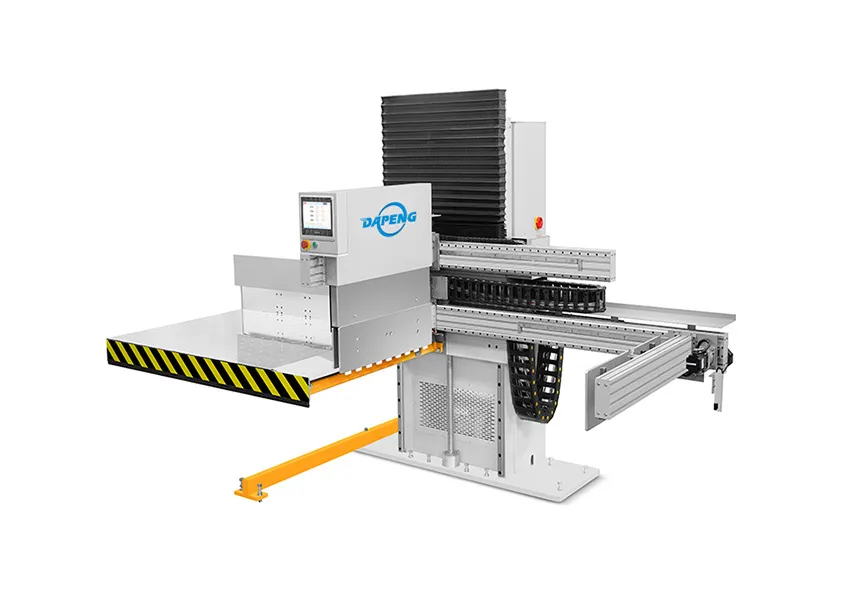
Choosing Between Manual and Automatic Paper Loader Machines: Pros and Cons for Optimal Efficiency
2026-08-25
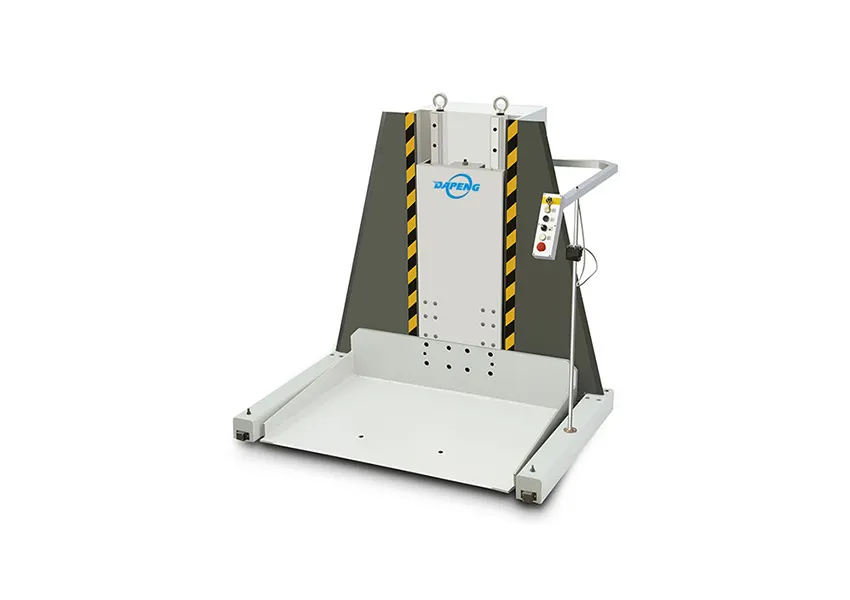
Understanding Lifts in Hydraulic Machinery: Key Insights for Industrial Applications
2026-08-22