

Exploring the Role of Lifts in Hydraulic Machinery
Release time:
2026-04-23
Lifts are an essential aspect of hydraulic machinery, playing a critical role in various industrial applications ranging from construction to manufacturing. These systems utilize the principles of hydraulics to elevate heavy loads efficiently and safely, making them indispensable in environments where manual lifting is impractical or unsafe. The basic operation of a hydraulic lift involves the use
The basic operation of a hydraulic lift involves the use of a hydraulic cylinder, which is a device that converts hydraulic energy into mechanical energy. When hydraulic fluid is pumped into the cylinder, it creates pressure that drives a piston upward, thus lifting the load connected to it. This mechanism allows lifts to handle significant weight, making them ideal for transporting heavy materials, machinery, or even personnel.
One of the key advantages of hydraulic lifts is their ability to provide smooth and controlled lifting movements. Unlike mechanical lifts that may have jerky or abrupt motions, hydraulic systems offer a level of precision that enhances safety and efficiency in operations. This gradual lifting capability is crucial in industrial settings where load stability is paramount.
Design considerations for hydraulic lifts often include the selection of suitable hydraulic fluids, cylinder sizes, and the overall structural integrity of the lift system. Choosing the right hydraulic fluid is vital, as it affects performance, efficiency, and maintenance requirements. Additionally, the lift’s construction must withstand the stresses associated with heavy lifting, including factors such as load distribution and environmental conditions.
In terms of applications, hydraulic lifts are commonly found in various sectors, including manufacturing plants, warehouses, and construction sites. They are utilized in assembly lines for moving parts, in storage facilities for retrieving heavy items, and in construction for hoisting materials to elevated levels. The versatility of lifts makes them suitable for a wide range of tasks, from simple lifting operations to complex industrial functions.
Moreover, advancements in technology have led to the development of more efficient hydraulic lifts, incorporating features such as automated controls, safety sensors, and energy-saving mechanisms. These innovations not only improve operational efficiency but also enhance user safety and reduce the risk of accidents.
In conclusion, lifts are a vital component of hydraulic machinery, facilitating safe and efficient handling of heavy loads across various industries. Their design, operation, and applications are crucial for maintaining productivity and safety in industrial environments. As technology continues to evolve, the future of lifts in hydraulic systems looks promising, offering even greater efficiency and reliability to meet the demands of modern industry.
Related News
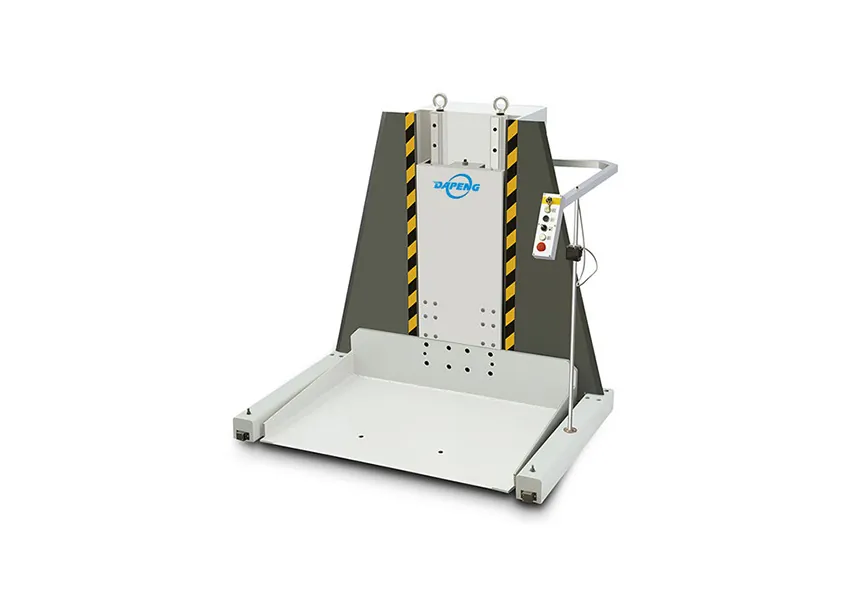
Guide to Selecting the Best Hydraulic Lifts for Your Business: A Comprehensive Insight
2026-09-06
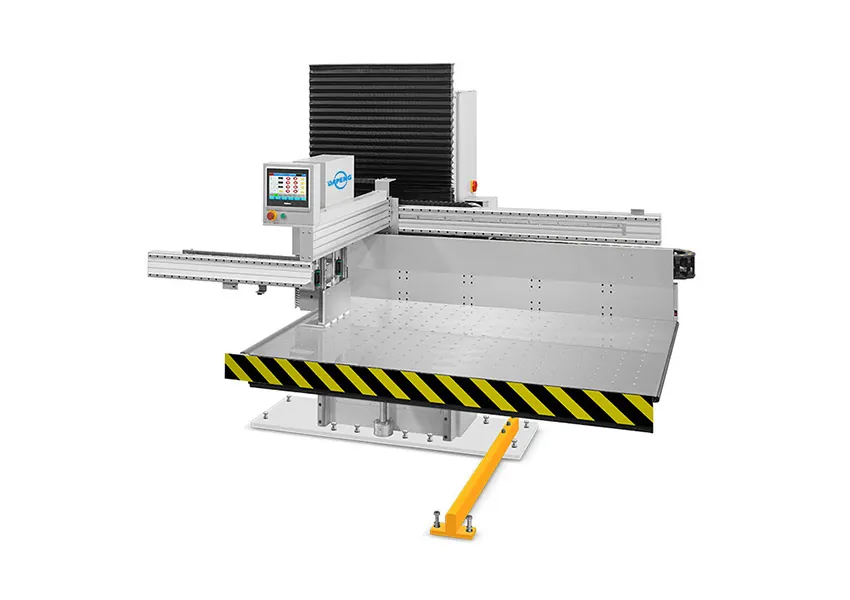
Maximizing Efficiency with Paper Unloader Machines in the Office Equipment Industry
2026-09-03
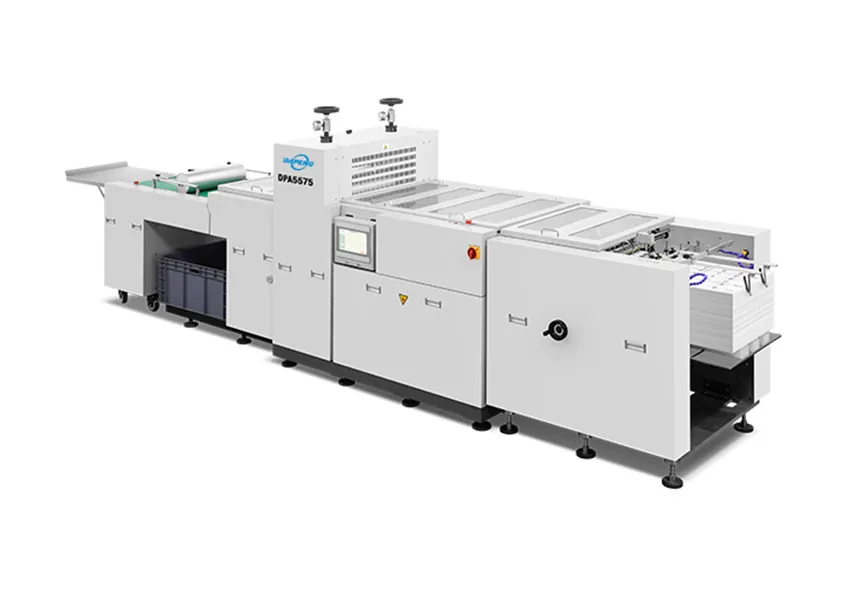
Advantages of Rotary Die Cutting Machines Over Other Methods: A Comprehensive Guide
2026-08-31
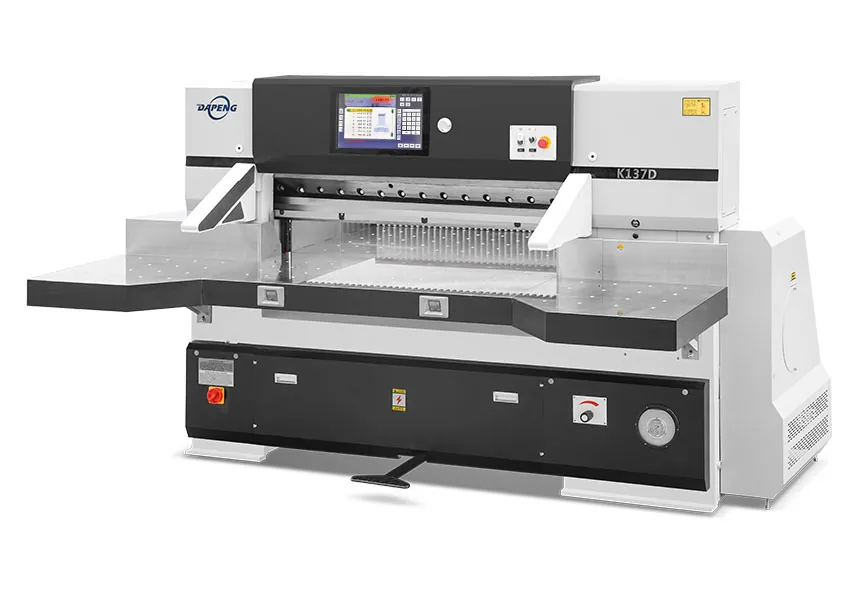
Understanding Paper Cutting Machines: Innovations and Applications in the Manufacturing Industry
2026-08-28
Choosing Between Manual and Automatic Paper Loader Machines: Pros and Cons for Optimal Efficiency
2026-08-25
Understanding Lifts in Hydraulic Machinery: Key Insights for Industrial Applications
2026-08-22